What Makes a Divorce Uncontested in New York
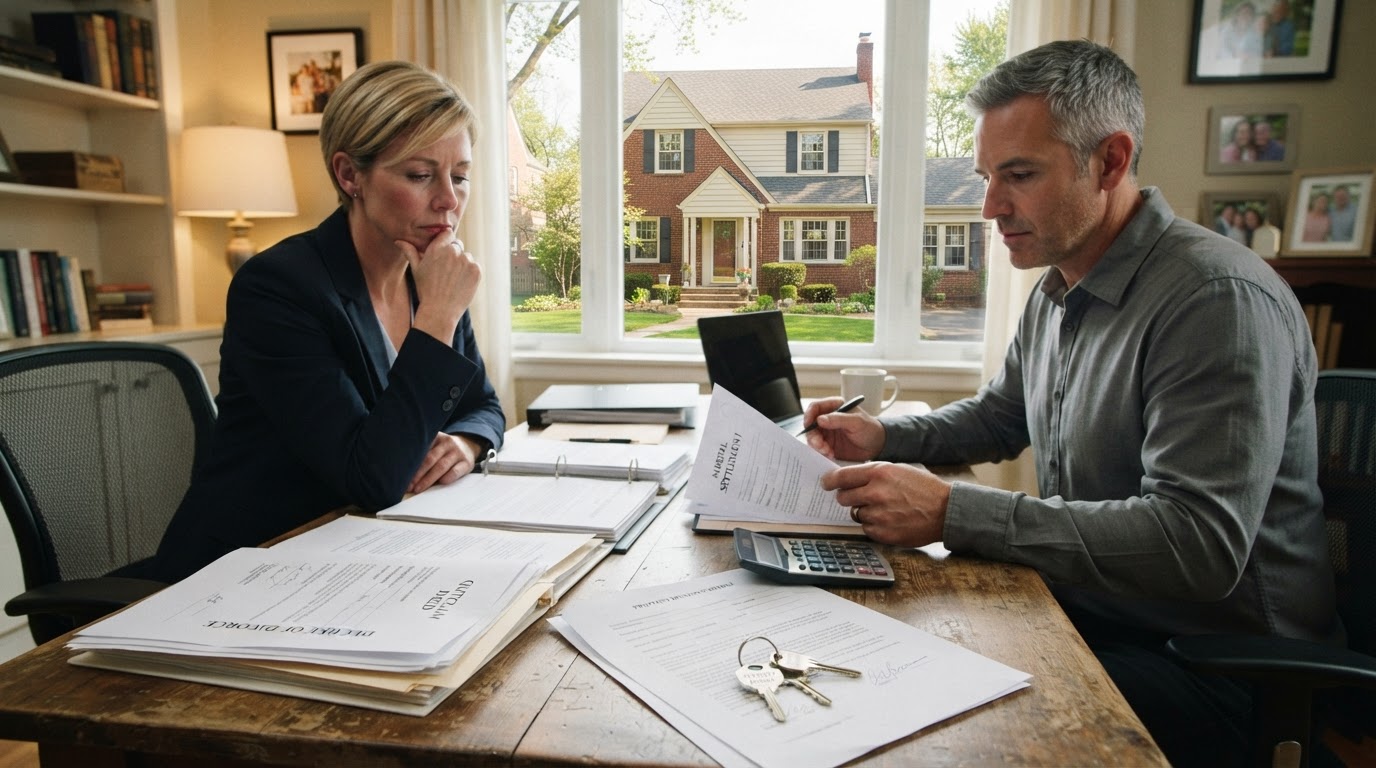
An uncontested divorce in New York is one in which both spouses agree on all of the issues the court must resolve: the grounds for divorce, child custody and parenting time, child support, spousal maintenance, and the division of property and debts. When the parties have reached agreement on every issue, they can submit a written settlement to the court together with the other required paperwork, and the court can grant the divorce without a trial. This generally makes the process faster, less expensive, and less adversarial than a contested divorce. You can read the firm's overview on the Uncontested Divorce page. The New York court system publishes uncontested divorce packet instructions that describe the documents generally required.
Step 1: Confirm All Issues Are Agreed
Before beginning the uncontested process, it is essential to confirm that both spouses genuinely agree on every issue. Even a single unresolved issue — whether it involves custody, support, or the value of an asset — makes the divorce contested. Some couples believe they have agreed on everything, only to discover a disputed issue during the process. Taking the time to identify and resolve all issues before filing helps avoid delays. You can read more about the difference in Contested Versus Uncontested Divorce in New York.
Step 2: Prepare the Settlement Agreement
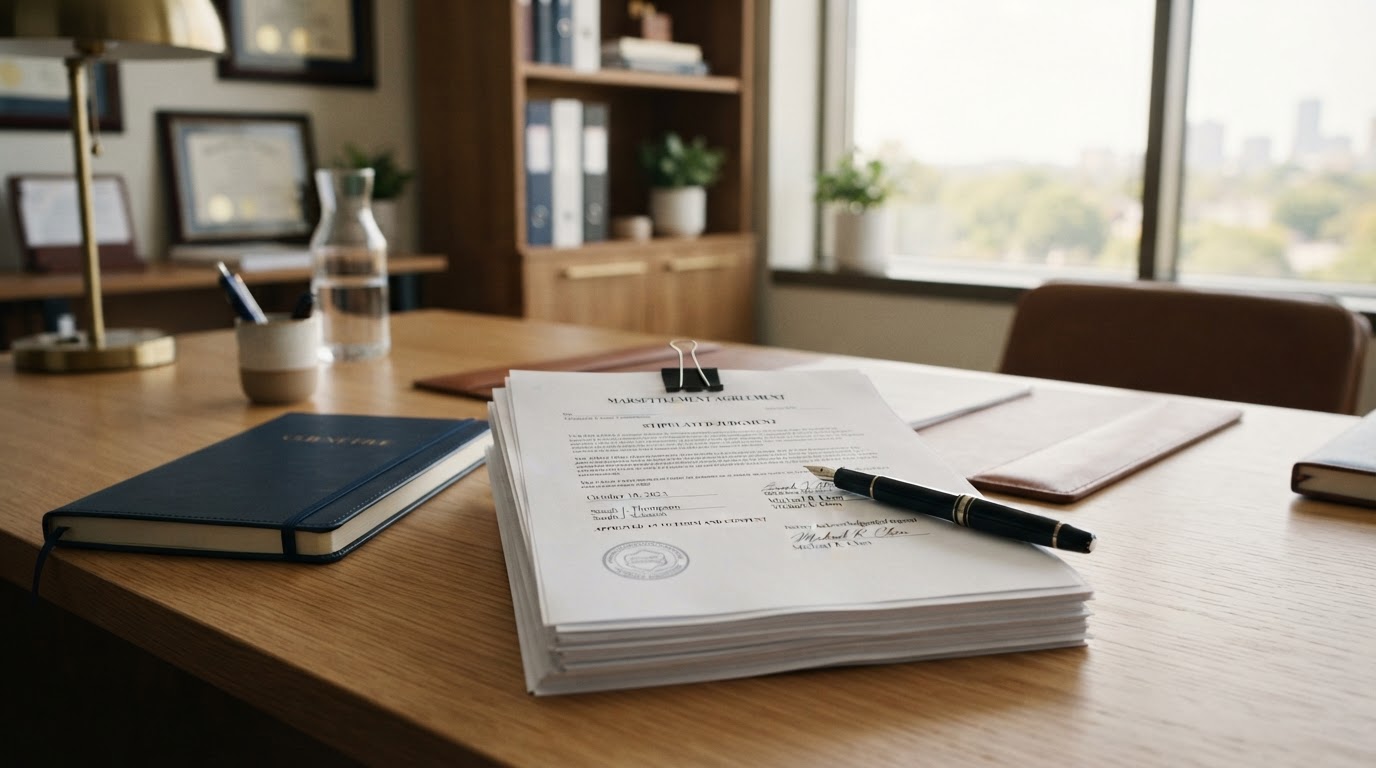
The heart of an uncontested divorce is the settlement agreement, often called a Stipulation of Settlement. This document sets out the parties' agreement on all issues: custody and parenting time, child support, spousal maintenance, and the division of property and debts. Because this agreement becomes part of the court's judgment and is binding on both parties, it must be carefully drafted to reflect the parties' intentions and to comply with New York law. Many people choose to have an attorney draft or review the agreement before signing, because the terms can affect finances and children for years. The agreement must address all issues; an incomplete agreement may cause the court to treat the matter as contested.
Step 3: File the Initial Divorce Papers
The divorce begins with the filing of a Summons with Notice or a Summons and Verified Complaint in the county where one of the spouses lives. The Summons notifies the other spouse that a divorce action has been started. In an uncontested divorce, the other spouse may sign an Affidavit of Defendant consenting to the divorce and waiving further notice, or the parties may file jointly. The filing fee varies by county. The New York court system provides information about filing requirements and fees. Accuracy in the initial paperwork is important, because errors can cause delays.
Step 4: Address Custody and Support
If the parties have children, the court must approve the custody and support arrangements. The settlement agreement should set out the custody and parenting time schedule in detail. Child support is generally calculated under the Child Support Standards Act, and the agreement should reflect the guideline calculation or explain any deviation. The court reviews these provisions to ensure they are in the children's best interests. You can read more about how support is calculated in How Child Support Is Calculated in New York and use the New York Child Support Calculator to understand the framework.
Step 5: Financial Disclosure
Even in an uncontested divorce, the parties generally must exchange financial information so that the court can confirm the settlement is fair. This typically involves a Statement of Net Worth or a financial disclosure affidavit detailing income, expenses, assets, and liabilities. The court wants to ensure that both parties entered the agreement with full knowledge of the financial circumstances. Failure to disclose assets or income can lead to the agreement being challenged later. Read more about organizing financial records in Preparing Financial Disclosure for a New York Divorce.
Step 6: File the Remaining Documents
After the initial papers and settlement agreement, several additional documents must be filed to complete the uncontested divorce. These typically include the Affidavit of Plaintiff (or the non-defendant spouse's sworn statement), the Note of Issue, and the proposed Judgment of Divorce. The specific documents required depend on the county and whether there are children. The court reviews the complete packet to ensure all requirements are met. Missing or incorrect documents are a common cause of delay in uncontested divorces.
Step 7: The Judge Signs the Judgment
Once the court has received all required documents and is satisfied that the requirements are met, the judge signs the Judgment of Divorce. This is the order that legally ends the marriage. In an uncontested divorce, this often happens without either spouse appearing in court, though some counties require a brief appearance. The signed judgment is filed with the county clerk, and the parties receive a copy. The divorce is final as of the date the judgment is signed, though certain provisions — such as the transfer of property — may require additional steps to implement.
Step 8: Post-Divorce Considerations
After the judgment is signed, there may be additional steps to implement the terms of the settlement. These can include transferring the title to real property, dividing retirement accounts through a Qualified Domestic Relations Order (QDRO), updating beneficiary designations on insurance and retirement accounts, and updating estate planning documents. If the agreement includes ongoing obligations such as child support or maintenance, the parties should understand how those will be paid and enforced. Being organized about these post-divorce steps helps ensure a smooth transition.
Do You Need a Lawyer for an Uncontested Divorce?
You are not required to have a lawyer for an uncontested divorce, but many people choose to have an attorney review the settlement agreement before signing or to handle the paperwork. The terms of the agreement can affect your finances and your children for years, and an attorney can help ensure the agreement is fair, complete, and legally sound. An attorney can also help avoid the delays that often result from incomplete or incorrect paperwork. If you would like to discuss your situation, you can request a consultation with a New York family-law attorney.
Frequently Asked Questions
Related Practice Areas
This article is for general informational purposes only and is not legal advice. It does not create an attorney-client relationship. Every legal matter is different, and past results do not guarantee a similar outcome.