Understanding Both Sides of a Case
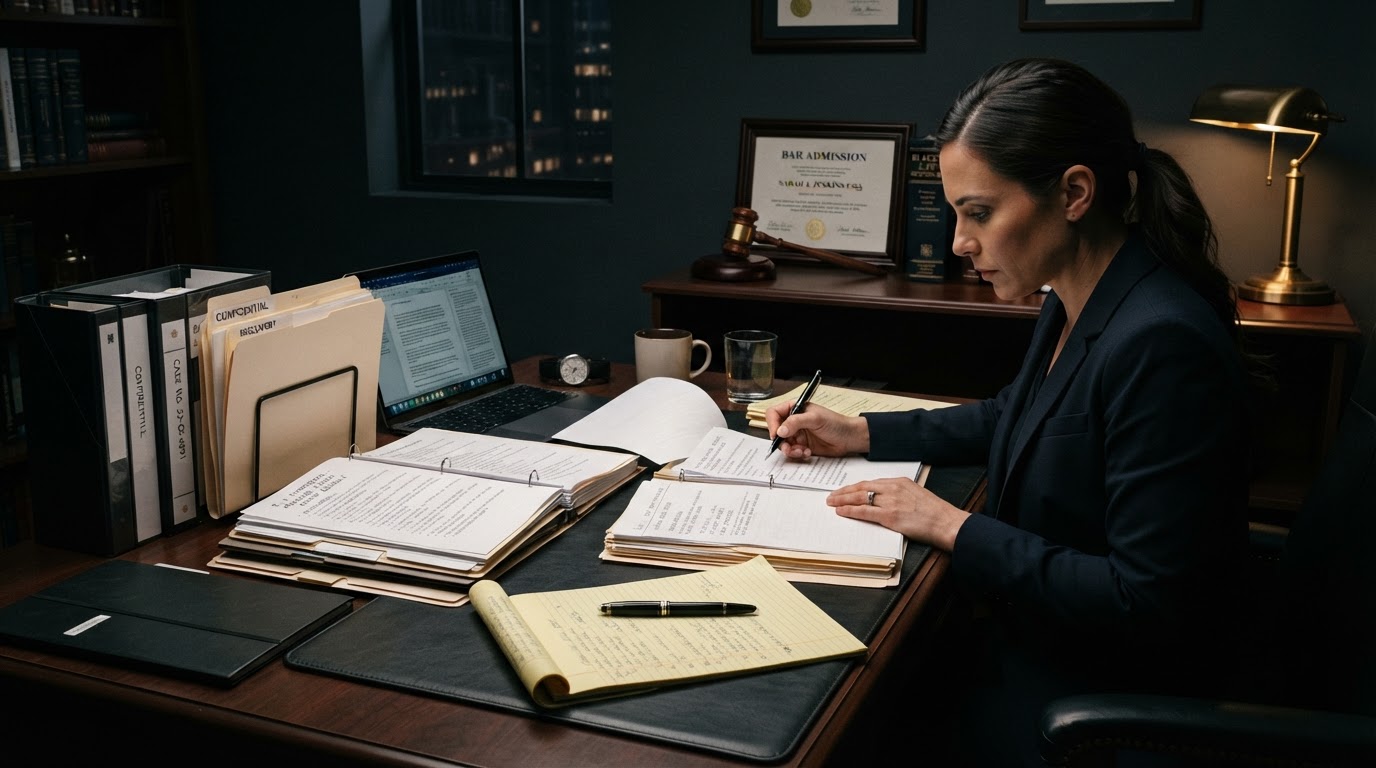
A former prosecutor has seen criminal cases from the prosecution's side — how charges are developed, how evidence is organized, and how a case is prepared for presentation. That perspective can inform defense strategy. Menachem White previously served as a prosecutor in the Kings County District Attorney's Office before entering private practice; you can read his background on the About page. Understanding how the other side thinks does not mean a defense attorney has any special influence — it means they can anticipate and evaluate.
Evaluating Evidence the Way the State Does
Former prosecutors have experience evaluating evidence for strengths and weaknesses, identifying what the prosecution needs to prove, and recognizing where proof may be thin. This helps the defense focus on the issues that matter: Is the evidence legally obtained? Is it reliable? Are there gaps? Read more about the evidence review process on the Criminal Defense page.
Understanding Court Procedures and Timelines
Criminal cases follow specific procedures and deadlines — arraignment, discovery, motions, hearings, and trial. Familiarity with these procedures helps the defense meet deadlines, preserve issues, and avoid procedural missteps. The New York court system publishes information about the criminal court process that outlines the general stages.
Anticipating the Prosecution's Theory
Because a former prosecutor understands how a case is built, they can often anticipate the prosecution's theory and the evidence that supports it. This allows the defense to prepare counterarguments, identify witnesses to challenge, and develop a coherent defense theory of its own. Read about the early stages in What Happens After an Arrest in New York?.
Realistic Assessment of Plea Offers
Many cases resolve through negotiation. A former prosecutor's experience can help assess whether a plea offer is reasonable given the evidence and the potential consequences, and whether trial may be the better option. This assessment is always case-specific, and no attorney can guarantee a particular outcome. Read more in What Does a Former Prosecutor Bring to Criminal Defense and about charge types in Misdemeanors Versus Felonies in New York.
No Implied Influence
It is important to be clear: former prosecutor experience does not imply any influence with current prosecutors, judges, courts, or government agencies. It provides perspective, not advantage through relationships. Any claim of special influence would be improper. The value of the experience is analytical — understanding how cases are built and evaluated — not relational.
How This Experience Informs the Firm's Approach
The firm applies this background when reviewing criminal charges, evidence, court procedures, and defense strategy. The approach is thorough and strategic from the beginning. If you are facing criminal charges, request a consultation to discuss your situation.
Frequently Asked Questions
Related Practice Areas
This article is for general informational purposes only and is not legal advice. It does not create an attorney-client relationship. Every legal matter is different, and past results do not guarantee a similar outcome.